


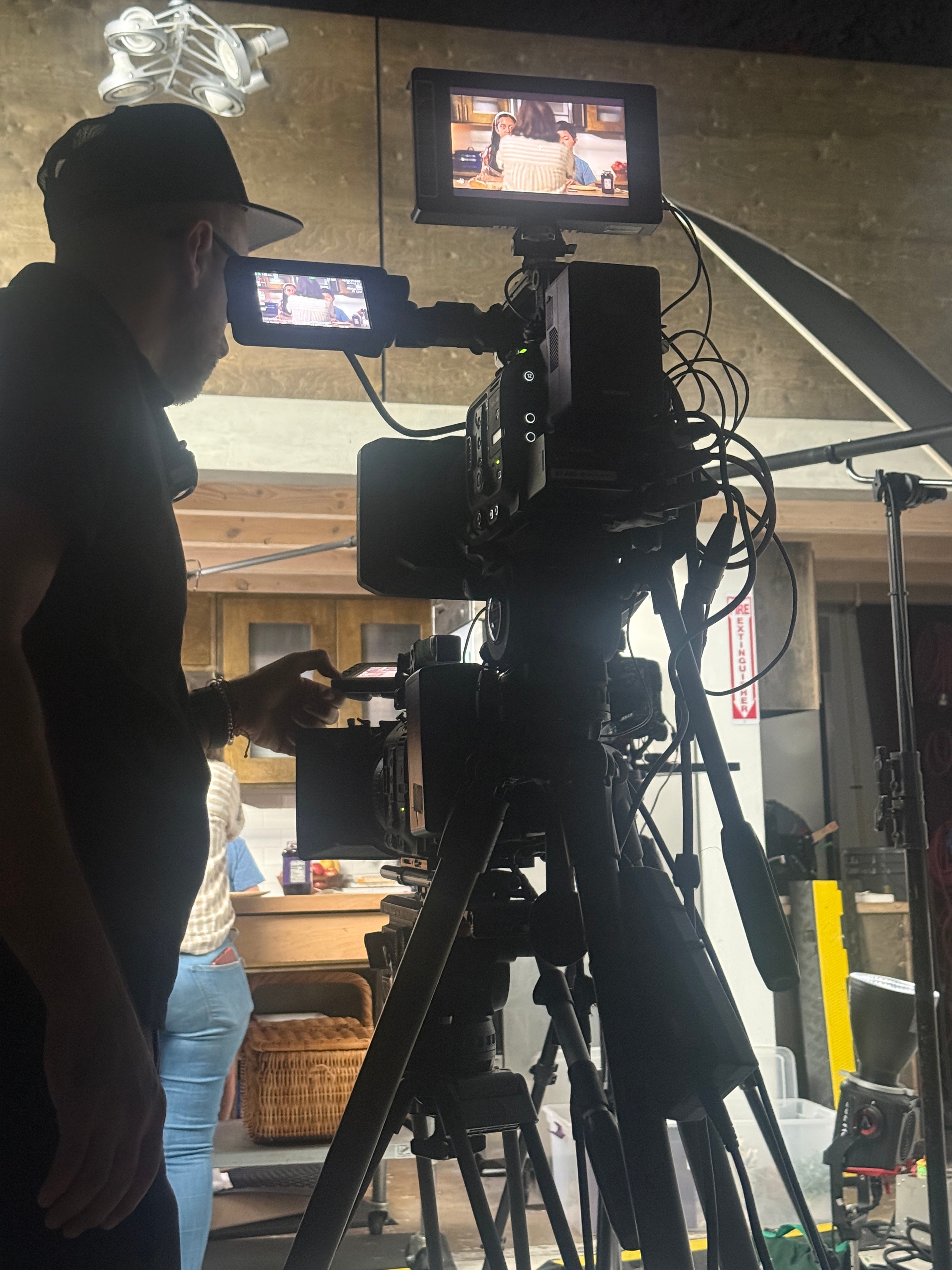
In April 2022, Mothers Against Greg Abbott released our first political ad. I knew absolutely nothing about launching a political ad. Nothing.
I was counting on someone else’s expertise, and instead of teaching me how to do it, that person spent hours making the entire process seem impossibly complicated while making me feel like I was the problem for not already knowing how to do it.
I still have a joke from that period. I point at my computer and yell:
“OH LOOK! THE LEARNING CURVE!”
And then I point to a picture of Mount Everest. Because that is exactly what it felt like.
But here’s the thing I eventually learned: Mount Everest wasn’t actually Mount Everest. I just didn’t have a map.
Four years, multiple ads, viral successes, expensive lessons, awards, spectacular wins, and a few “well, we’re never doing THAT again” moments later, I know a hell of a lot more than I did in April 2022.
So I’m giving you the map I wish someone had given me.
Because candidates, campaign managers, activists, county parties, grassroots organizations, and frankly anyone with a camera and something important to say should not have to believe political advertising is some mystical art form controlled by consultants in expensive shoes.
You can learn this.
I did.
First: Make Something People Actually Want to Watch
From the beginning, our philosophy at Mothers Against Greg Abbott has been storytelling. We use satire. Humor. Emotion. Sometimes a gut punch.
From Nothing Changes and Whose Choice to First Day of School and, more recently, Monsters, our ads tell stories, usually from a woman’s perspective.
They aren’t the standard canned political ad.
You know the one.
Candidate walks thoughtfully through field.
Candidate gazes meaningfully at factory.
Candidate talks to person wearing a hard hat.
American flag appears.
Candidate folds arms.
“Together, we can build a brighter tomorrow.”
Please make it stop.
Politics is full of people spending enormous amounts of money creating advertisements that look exactly like every other political advertisement.
If you want people to remember your ad, give them something worth remembering.
Thirty Seconds Is Your Friend
We started out making two-minute ads. Then I learned how much it costs to buy two minutes of streaming advertising. That was educational.
Thirty seconds is generally the sweet spot for a political ad. But if you can tell a compelling story in 15 seconds? Congratulations. You have captured a golden unicorn.
I want to know whether we can make a 60-second version, a 30-second version and a 15-second version of an ad
And I always want a landscape 16:9 master because we can turn that into vertical 9:16 and 4:5 versions for social media.
Don’t make one video.
Make a creative library.
Before You Release It, Watch It Three Times
This is one of my favorite tricks.
Watch your finished ad once and simply enjoy it. Don’t analyze it. Then take a couple of minutes.
Watch it again with your eyes closed. Can you understand what’s happening from the sound alone? Does the music work? Are there awkward pauses? Can you hear every word? Does something suddenly sound wrong now that you aren’t distracted by the visuals? Take notes.
Then watch it a third time with one question in mind: Where would I swipe away? Be ruthless. Where does the energy drop? Where does the story slow down? Is there a shot you’re keeping because it is beautiful rather than because it moves the story? A surprising amount can be fixed in editing with pacing, music and sound.
And remember, that audio track may eventually become a radio ad, so it needs to work too.
Also don’t forget to buy music or sound rights if it is not FREE. Otherwise, you will load a video with zero sound on your launch day after it’s discovered.
Don’t Blow the Ending
Your end card matters.
What do you want the viewer to do?
Vote?
Visit a website?
Donate?
Learn something?
Remember a candidate’s name?
Your call to action should be obvious.
And please remember your legally required “Paid for by” language and whatever other disclaimer requirements apply to your race, organization, and jurisdiction. The most beautifully produced political ad on Earth isn’t improved by a compliance emergency.
Captions Are Not Optional
People watch social video everywhere.
At work.
In waiting rooms.
In bed next to someone who is asleep.
In bathrooms, although we should probably collectively agree not to investigate that statistic.
Your ad needs captions. I create multiple caption files, including SRT files, platform-ready versions (Facebook needs it’s own FB version), text transcripts and burned-in captions. We also create Spanish-language captions when appropriate.
I use Rev.com, but the important point isn’t which service you use.
The important point is this:
Your ad should work with the sound on AND with the sound off.
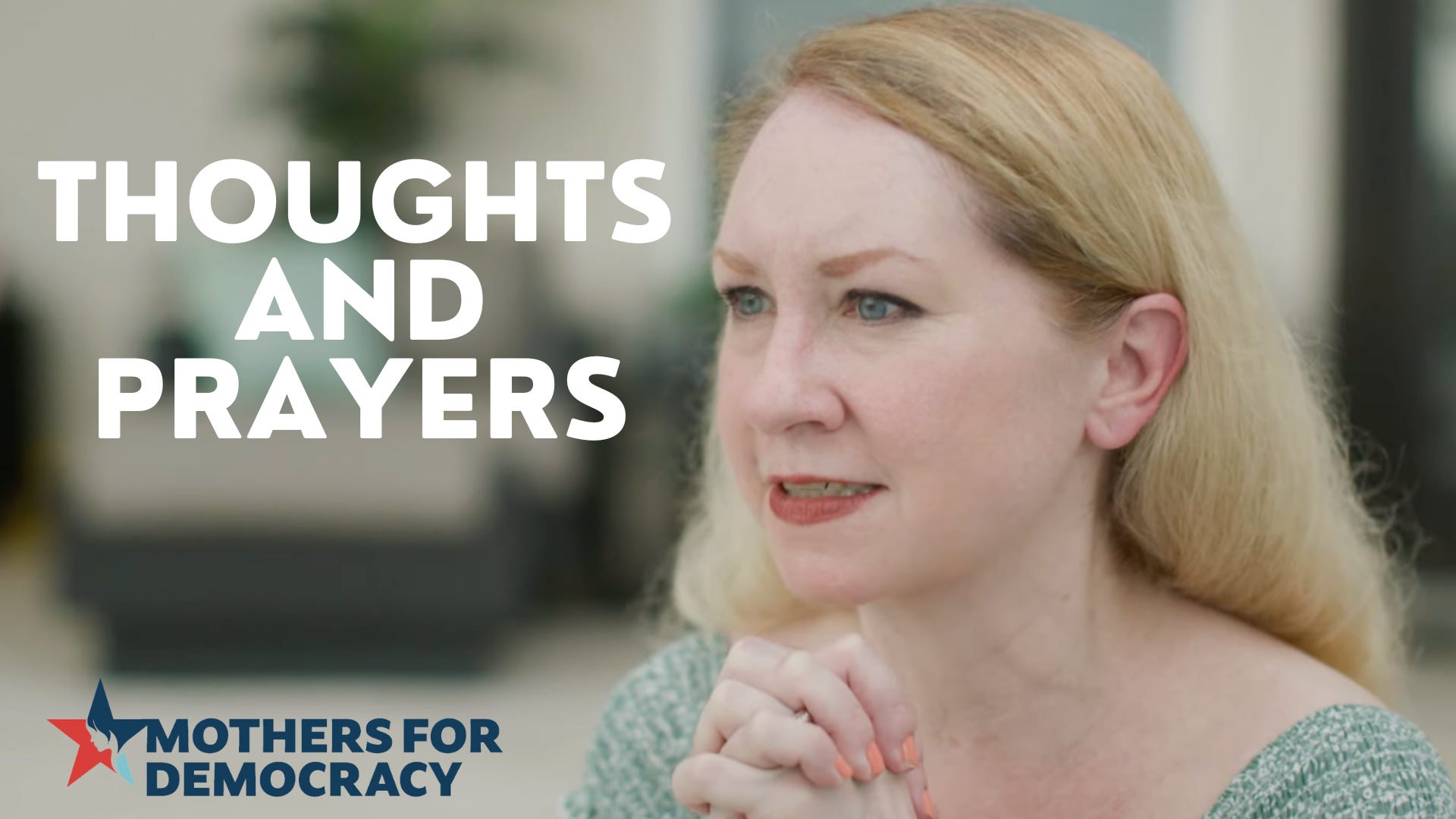
Then create a thumbnail. Think of it like a tiny billboard. Not seventeen words. Not your organization’s entire mission statement. Make me curious enough to click.
Now Build Everything Around the Ad
This is where campaigns frequently make the mistake. They finish the video. They post the video. They send an email saying:
“OUR NEW AD IS LIVE!!!”
And then everybody sits around watching the view counter like they’re waiting for election returns.
No.
The video isn’t the campaign.
The video is the beginning of the campaign.
In the days leading up to launch day, create still images, quote graphics, teaser graphics, short clips, thumbnails, press assets, and a press release. One 30-second advertisement should give you enough material for days of content. If you spent thousands of dollars producing an ad and used it once, you didn’t get your money’s worth.
Test It Before You Fall in Love With It
Whenever possible, test your advertisement with people who haven’t seen it.
I have used Swayable because they have options for relatively fast testing. Depending on the testing you choose, this can add several thousand dollars to your budget, but the information can be incredibly valuable.
And there’s another reason I like testing.
People who worked on an advertisement are terrible test audiences. We know the script. We know the joke. We know why that shot is there. We’ve watched the damn thing 147 times. The audience hasn’t.
Their reaction is the one that matters.
Give Yourself a Week. Two Is Better.
This is another lesson I learned the fun way. Launching an advertisement properly takes preparation. I would give yourself at least a week. Two weeks is even better.
Choose your launch date.
Write your press release.
Prepare your graphics.
Create your different video formats.
Get your captions finished.
Prepare your social posts.
Get your paid advertising accounts and compliance requirements squared away.
And then build your launch toolkit.
Build an Amplification Toolkit
Before a major launch, I want 50 to 100 trusted people who actually care about the issue to know the advertisement is coming.
Candidates.
Elected officials.
County parties.
Issue experts.
Creators.
Mothers volunteers.
Community leaders.
Local activists.
Partner organizations.
But here’s the important part:
You do NOT want 100 people posting exactly the same sentence at exactly 9:01 AM.
That isn’t a movement.
That’s a hostage video.
Give people the ad, the big idea, three sourced facts, several possible approaches, relevant graphics, links, accounts they might want to tag, and the launch time. Sample text for different social media channels.
Then tell them:
Put this in your own voice. Tell people why YOU care about it.
The candidate should sound like the candidate.
The teacher should sound like the teacher.
The mother should sound like the mother.
Authenticity is the point.
Launch Day Should Feel Like a News Event
Here’s roughly how I like to structure a major launch.
At 8:00 AM, press materials go out.
At 8:30 AM, the advertisement premieres across Instagram, Facebook, Threads, X, Bluesky, YouTube, TikTok, and wherever else your audience actually lives.
Same story. Different platform language. Do not blindly paste the same caption everywhere. This is what I launch on each platform:
YouTube - regular video and SRT file, and I load a separate Spanish-version video separately.
Instagram - Burned captions file
BlueSky - Link to YouTube or burned captions file
Facebook - Regular and load the Facebook SRT File
Threads - Burned captions file
TikTok - Burned Captions file
Twitter/X - Burned captions file.
I set up my desktop, and I have separate windows for each platform and my phone. I have everything up and loaded, and I start pressing post one right after another.
From 9:05 to 9:30, your inner circle starts sharing and discussing it.
From 9:30 to 10:30, candidates and other relevant voices begin adding their perspectives.
If the ad is about schools, a candidate shouldn’t merely write:
“Great ad from Mothers Against Greg Abbott!”
They should say something like:
“I hear this at doors every week. Parents in my district are watching their neighborhood schools lose teachers while Austin politicians celebrate vouchers.”
See what happened?
The ad just became local.
From 10:30 to noon, community organizations, activists and experts help carry the conversation.
At noon, release another asset.
Maybe it’s the strongest 10-second clip.
Maybe it’s a graphic.
At 2:00 PM, drop the strongest fact.
At 4:00 PM, highlight reactions or news coverage.
Then between 6:00 and 8:00 PM, give the story another push with a second clip, behind-the-scenes footage or a response.
You’re not posting once. You’re creating multiple doors into the same story.
Every Platform Has a Different Personality
This is something campaigns desperately need to understand.
Instagram is visual. Give me emotion, movement, captions, faces and a powerful opening frame. Reels should be vertical and native to the platform.
Facebook is a discussion room. Don’t just post your ad. Ask a question people can answer from their own experience.
“Texas parents and teachers: What has changed at your public school in the last five years?”
Now the comment section becomes part of the story.
Threads is conversational. Don’t dump your press release there.
Start a discussion.
X is the argument machine. Give people a strong, factual proposition they can quote, challenge, discuss, and build upon.
Bluesky is about communities. Find the feeds, journalists, activists, experts, and communities already discussing your subject. Don’t ask, “How do I game Bluesky?”
Ask:
“Which existing conversation does this belong in?”
YouTube is your library. The full ad lives there. So do your Shorts, longer explanations, and derivative content.
And don’t sleep on the title and thumbnail.
“Mothers Against Greg Abbott Education Ad 2026” isn’t a title.
It’s a filing cabinet.
“Texas Schools Are Closing. Abbott Had 11 Years.”
Now I want to know what happened.
The Ad Isn’t Dead Tomorrow
This may be the biggest lesson in this entire article.
Never allow launch day to be the end of the campaign.
Day One: Full advertisement, short clip, strongest fact.
Day Two: Behind the scenes, candidate reaction, expert reaction.
Day Three: Another clip, audience reaction, fact check.
Day Four: Localize it. “Here’s what this means for Abilene.”
Day Five: Tell a personal story.
Day Six: Humor. Meme. Reaction.
Day Seven: Give people something to do. “Help us put this in front of another 100,000 Texans.” One advertisement can become 15 or 20 pieces of content.
Create once. Distribute many times.
Paid Media Should Feed What’s Working
Organic distribution tells you something extremely valuable:
What is resonating?
Don’t automatically dump the entire paid budget behind your favorite cut.
Test.
Try three openings.
Maybe one starts with outrage.
One starts with curiosity.
One starts with a personal economic consequence.
Then compare them under comparable conditions.
And please test one variable at a time.
If you change the hook, headline, audience, thumbnail, and call to action simultaneously and Version B wins, congratulations.
You have learned absolutely nothing.
Stop Worshipping Views
Views are nice. Views also don’t tell you everything.
I want to know:
Did people stop?
How long did they watch?
Did they finish?
Did they share it?
Did they comment?
Did they save it?
Did they visit the profile?
Did they click?
Did we gain followers?
What did a completed view cost?
What did meaningful engagement cost?
And one of my favorite measurements:
How many shares did we generate per 1,000 views?
Because I’d rather have 50,000 people watch something that thousands of them feel compelled to send to friends than 500,000 passive impressions nobody remembers tomorrow.
My 40-Point “Should We Even Launch This?” Test
Before releasing a major ad, score each of these from one to five:
Do the first three seconds stop you?
Is there one obvious message?
Does it create emotion?
Would someone send it to a friend?
Is there a quotable line?
Does it create conversation?
Does it work without sound?
Is there a clear action?
Maximum score: 40.
My completely unofficial Mothers scale:
Under 25: Don’t launch it yet.
25–30: Fix it.
31–35: Strong.
36–40: Clear the runway.
It’s not scientific. It is, however, much cheaper than spending $50,000 promoting a boring advertisement.
Sometimes Your Opponent Gives You the Sequel for Free
Here’s where politics gets fun.
Suppose Abbott, Patrick, Paxton, an industry group or an opposing campaign attacks your advertisement.
Don’t immediately rush into defensive mode.
Ask:
Can their response become Content #2?
Screenshot it.
Respond.
Fact-check it.
Make a graphic.
Cut another video.
“Apparently Greg Abbott saw our ad.”
“He didn’t like it.”
“Unfortunately for him, he didn’t dispute this part...”
Congratulations. They may have just handed you a second news cycle. Send flowers. Just kidding.
Things I Would NOT Do
I wouldn’t buy fake engagement.
I wouldn’t use fake accounts.
I wouldn’t have 100 people paste the same comment.
I wouldn’t post identical creative and copy everywhere.
I wouldn’t make claims I couldn’t back up.
I wouldn’t turn every post into a fundraising solicitation.
I wouldn’t confuse controversy with persuasion.
And I would never sacrifice credibility because somebody promised me they could make something “go viral.”
I’ve also had mixed experiences paying influencers. The last time I tried it, I wasn’t thrilled with the results. So paid influencer amplification isn’t something I’m automatically recommending as part of this strategy. I’d much rather build relationships with people who genuinely care about the subject.
And About “Going Viral”...
Here’s something nobody particularly wants to hear.
It’s harder now.
What worked like absolute bonkers for us in 2022 does not necessarily work in 2026.
Platforms have changed.
Algorithms have changed.
Political content distribution has changed.
Audience behavior has changed.
Which means we have to change too.
You cannot build a communications strategy around crossing your fingers and hoping Mark Zuckerberg wakes up feeling generous.
Build your own distribution network.
Build your email list.
Build your volunteer network.
Build relationships with candidates.
Build relationships with organizations.
Build relationships with creators and community leaders.
Build an audience that actually wants to hear from you.
Because algorithms change.
Relationships travel with you.
You Are the News
This may be the most important thing I’ve learned since that first terrifying launch in April 2022.
You don’t have to wait for someone to decide your story is newsworthy.
You can create the story.
You can create the video.
You can create the conversation.
You can give candidates and activists the tools to carry it into their communities.
You can take one 30-second advertisement and surround the internet with the larger story.
A campaign with $100,000 can buy impressions.
But a movement with candidates, mothers, volunteers, creators, activists, county parties and community leaders can create something money alone cannot guarantee:
Conversation.
So here’s my rule for 2026:
DON’T JUST DROP THE AD. SURROUND THE INTERNET WITH THE STORY. YOU ARE THE NEWS.
Create once.
Cut many times.
Launch natively.
Amplify authentically.
Measure everything.
Feed the winner.
Keep the story alive.
And if you’re staring at your computer right now, feeling like the learning curve looks suspiciously like Mount Everest?
I promise you this:
There is a trail.
You just need someone to show you where it starts.
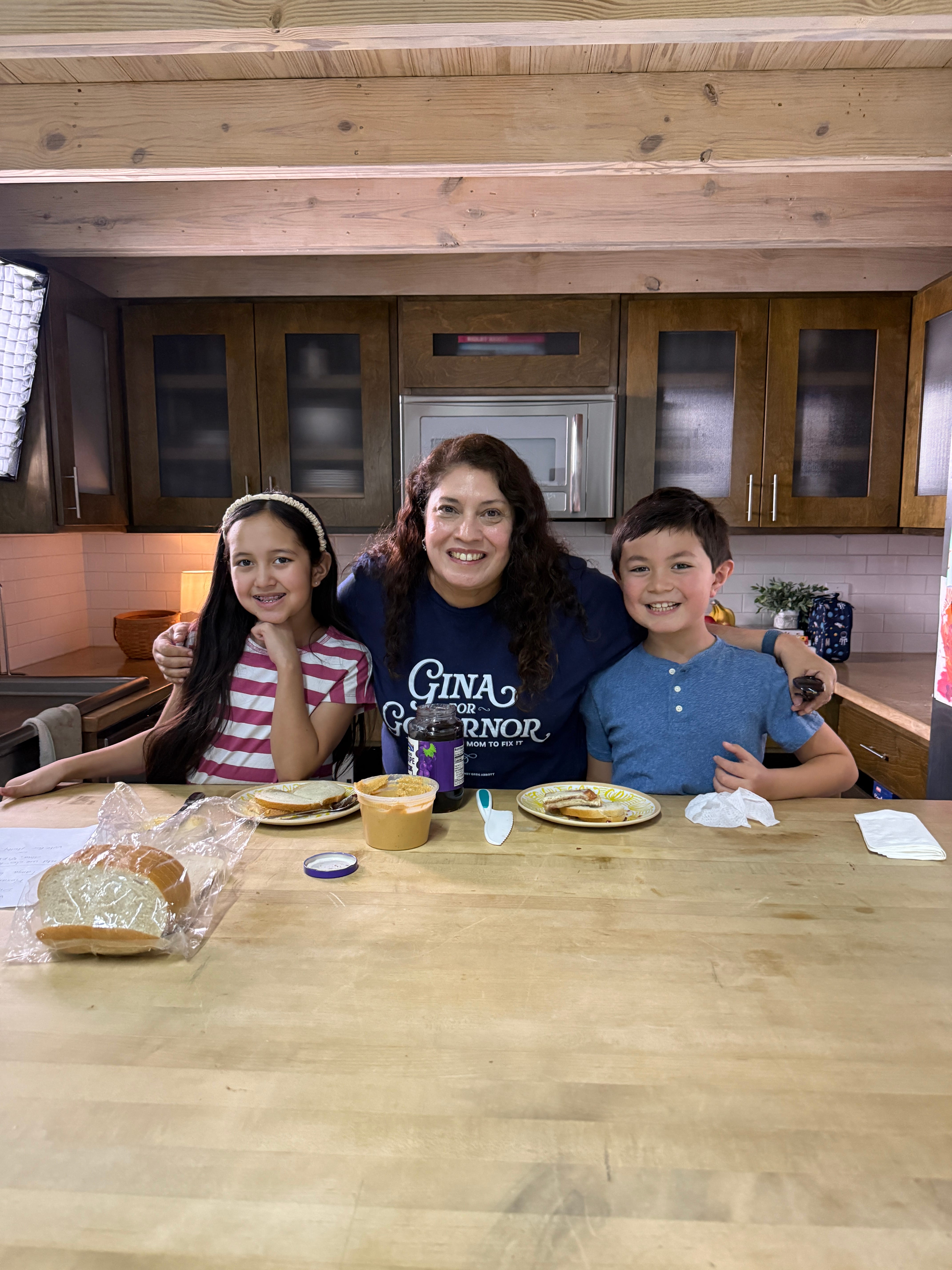
Pic of me last week at probably my last film shoot ever. What a ride it has been!
Yours in resistance,
Nancy Thompson
So powerful 🫶🏼💙