


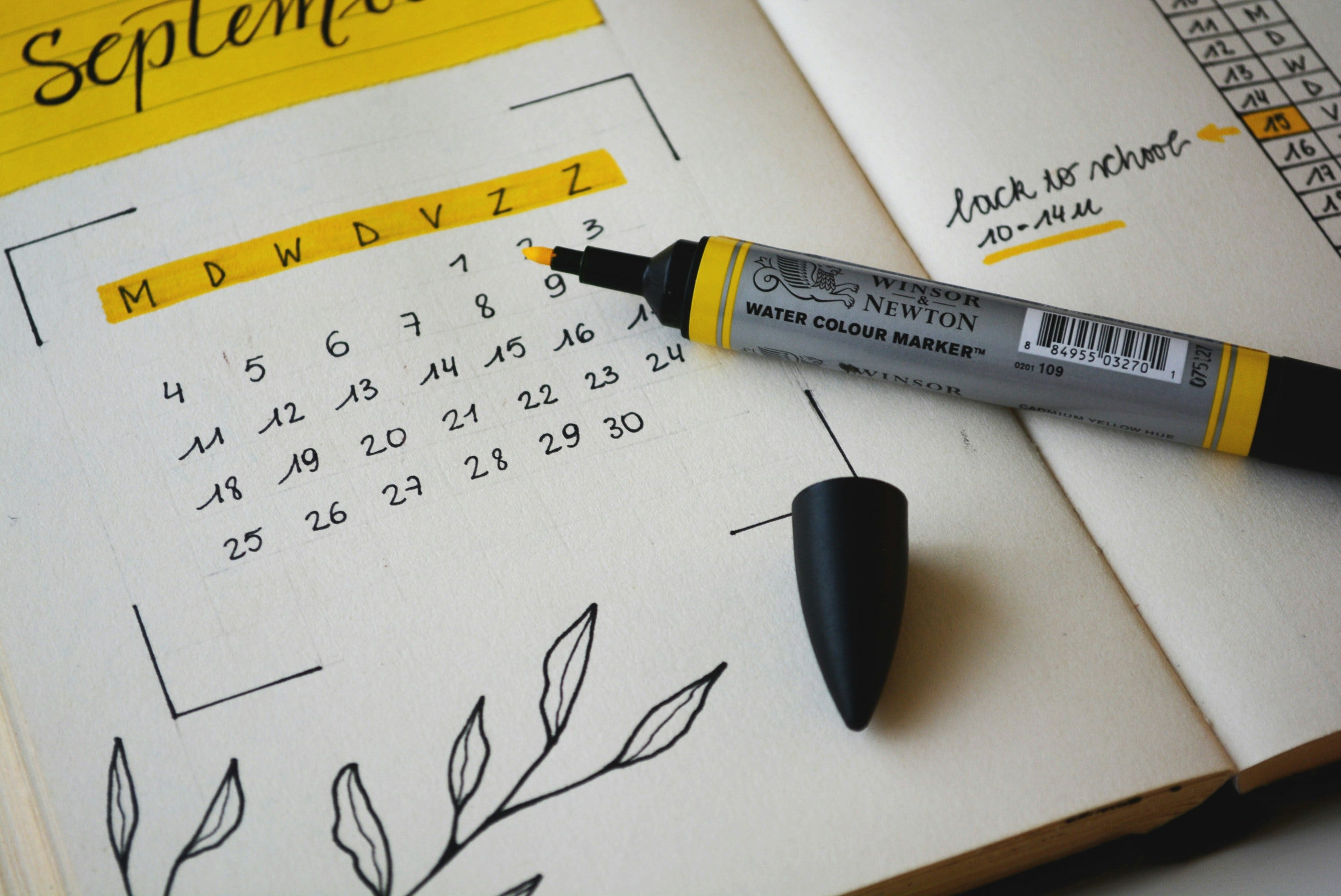
Photo by Estée Janssens on Unsplash
Ninety-nine days before Election Day can feel overwhelming. Every campaign suddenly realizes there aren’t enough volunteers, enough money, enough time, or enough coffee. The candidates who thrive over the next three months aren’t necessarily the ones with the biggest budgets. They’re the ones with the best plan.
Here’s the first thing I tell every candidate:
Print a monthly calendar.
Not your phone calendar. Not Google Calendar.
A real paper calendar that your entire team can spread across a table.
Then block off four uninterrupted hours for your campaign team. Bring markers, sticky notes, snacks, and your entire team together. You’re going to build your roadmap to Election Day.
The biggest secret?
Don’t plan forward. Plan backward.
Start with Election Day and work your way back.
Step One: Build Election Day First
Ask yourself:
Where do you want to spend Election Day?
Which polling locations will you visit?
Who will be with you?
Who is responsible for checking on volunteers?
Who will solve problems when they inevitably pop up?
Who is watching social media?
Who is coordinating your poll greeters and sign crews?
Election Day shouldn’t be chaos. It should feel like a well-rehearsed production.
Step Two: Map Out Early Voting
Election Day is no longer just one day.
Early voting is where many elections are won.
Block every early voting day on your calendar and build a specific plan for each one.
Ask yourself:
Which polling locations need volunteers?
Which days require extra visibility?
Who is greeting voters?
How will you remind supporters to vote early?
What events can you hold during early voting?
What printables do you need and when do you need them. Put printing deadlines on the calendar.
The goal is simple:
Get your supporters to vote as early as possible.
Every vote cast early is one less voter you have to worry about on Election Day.
Step Three: Build Your Ground Game
Now work backward week by week.
Schedule your door-knocking calendar now.
Map every precinct in your district.
Decide:
Which precincts come first?
Which neighborhoods need multiple visits?
Where do you need more volunteers?
Which areas are persuasion targets?
Which areas are turnout targets?
Don’t wait until October to recruit volunteers.
Start asking today.
Every volunteer you recruit in July becomes exponentially more valuable by November. Ask volunteers to ask their friends to join them.
ASKING IS FREE! Don’t forget that!
Step Four: Plan Your Phone Banking
Phone banking isn’t just about asking for votes.
It’s about reminding people to vote early, vote all the way down the ballot, and support Democratic candidates from top to bottom.
Build weekly phone bank nights now.
Recruit callers early.
Train them before the rush begins.
Step Five: Organize Poll Watching
Poll watchers are one of the hardest volunteer positions to fill because they require planning and commitment. Start recruiting now.
Identify:
Who can work all day?
Who can cover shifts?
Who understands election rules?
Who needs training?
Don’t wait until the week before the election.
Step Six: Plan Your Signs
Campaign signs don’t magically appear. Estimate how many you’ll need at polling locations during early voting and on Election Day.
Think through:
Printer deadlines
Storage
Transportation
Installation
Pickup
Volunteers
A sign without someone assigned to place it is just expensive garage décor.
Step Seven: Mail Smarter
Nothing frustrates voters more than receiving campaign mail after they’ve already voted. Plan your mail program backward.
If you want voters to receive a piece before early voting begins, work backward from the delivery date.
Aim for mail to arrive Wednesday through Saturday before early voting starts.
Ask yourself:
How many pieces can you realistically afford?
Should you partner with other Democratic candidates to reduce costs?
Which voters are most important to reach?
Every mail piece should have a purpose. Ideally, you should plan for 3 mailers between now and election day. We will go over mailers in another post.
Step Eight: Know Every Media Deadline
One of the biggest surprises for first-time candidates is discovering that advertising deadlines often arrive weeks before voters ever see the ads.
Research every deadline now.
Television.
Radio.
Digital advertising.
Streaming.
Print.
Billboards.
Many media buys require creative approval weeks in advance.
Create one master calendar with every deadline highlighted.
Future you will be incredibly grateful.
Step Nine: Start Daily Team Meetings
A campaign without communication quickly becomes a campaign full of surprises.
Even a 20-minute morning meeting can change everything.
Meet every morning at 8:00, 8:30, or 9:00 a.m.
If daily isn’t realistic, meet at least three times each week.
Review progress every morning.
Your agenda should include:
Field updates
Fundraising progress
Data and voter targeting
Social media content
Community events
Democratic Party events
Volunteer recruitment
Press opportunities
Problems that need solving today
Campaigns are won through hundreds of small tasks completed consistently. Campaigns that don’t have daily or weekly meetings don’t win elections. Sorry, that’s a hard truth!
Step Ten: Build Your Communications System
Good communication saves campaigns.
Create one master contact list that includes:
Immediate campaign staff
Volunteers
County Chairs
Precinct Chairs
Democratic clubs
Allied organizations
Other Democratic candidates
Vendors
Consultants
Friendly media contacts
Program everyone’s phone number into your phone today.
You’ll thank yourself later.
Step Eleven: Coordinate With Other Democrats
Texas Democrats cannot afford to campaign alone.
Set up meetings with all your County Chairs. Meet with candidates.
Ask questions like:
Which festivals should we attend together?
Which parades are coming up?
Which rodeos?
Which community events matter most?
Can we share volunteers?
Can we share mail?
Can we split advertising costs?
Start local.
Build relationships within your district first.
Then work your way up the ballot.
We’re stronger when we campaign together.
Step Twelve: Get Your House in Order
Before things get busy:
Update your website.
Add every endorsement.
Make donation links easy to find.
Confirm event calendars.
Organize campaign photos.
Prepare volunteer signup forms.
Review your fundraising plan.
When asking for donations, be specific.
Instead of saying, “Please donate,” explain exactly what their money accomplishes.
For example:
$10 helps us send 100 text messages.
$50 prints literature for a weekend of door knocking.
$100 helps us reach thousands of voters online.
People are more likely to give when they understand exactly what they’re helping accomplish.
Finally... Don’t Gatekeep
One of the best lessons I’ve learned in Texas politics is this:
Share information.
Share ideas.
Share templates.
Share lessons.
Texas Democrats are often trying to do a lot with very little.
Helping another Democrat doesn’t make your campaign weaker.
It makes our movement stronger.
None of us wins alone.
The candidates who understand that usually build the strongest organizations, recruit the best volunteers, and leave behind something bigger than one election.
Because campaigns aren’t just about winning votes.
They’re about building the Democratic infrastructure Texas will need for years to come.
Let’s go win this thing!
Nancy Thompson
Mothers Against Greg Abbott